
 By Robert Mutasi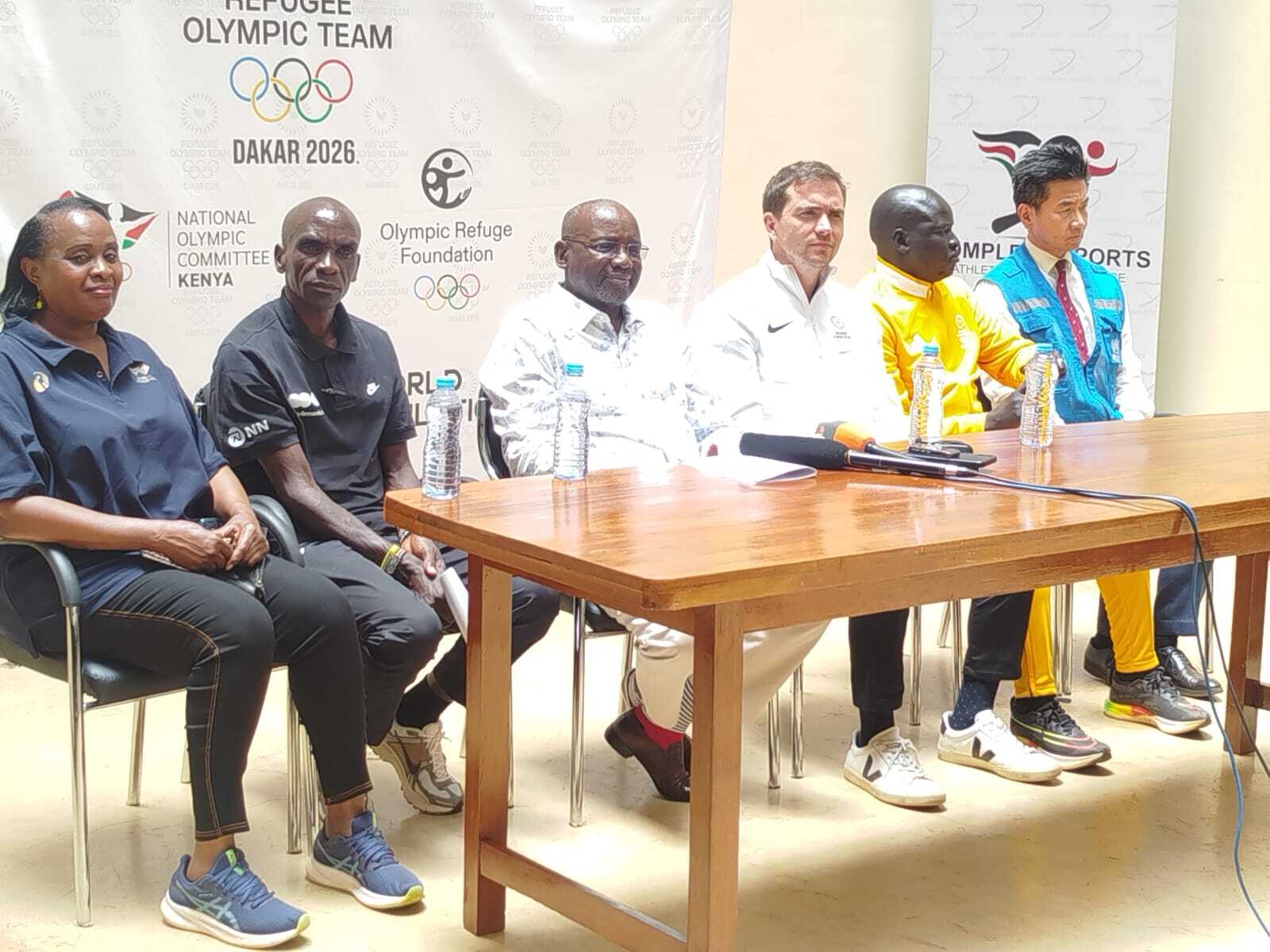
CHEPTIGIT, Uasin Gishu County: Six young refugee athletes have assembled at the Complete Sports Training Centre in Cheptigit for a two-week residential camp as they step up preparations for the Dakar 2026 Youth Olympic Games.
The athletes, Nyataba, Lawrence, Clement, Rashid, Arnold and Florence, will form part of the first-ever Youth Olympic Refugee Team. They are drawn from refugee communities living in Kenya and Uganda and will compete in athletics, judo and taekwondo.
The camp is significant because it is the first time the six athletes have trained and lived together as a team.
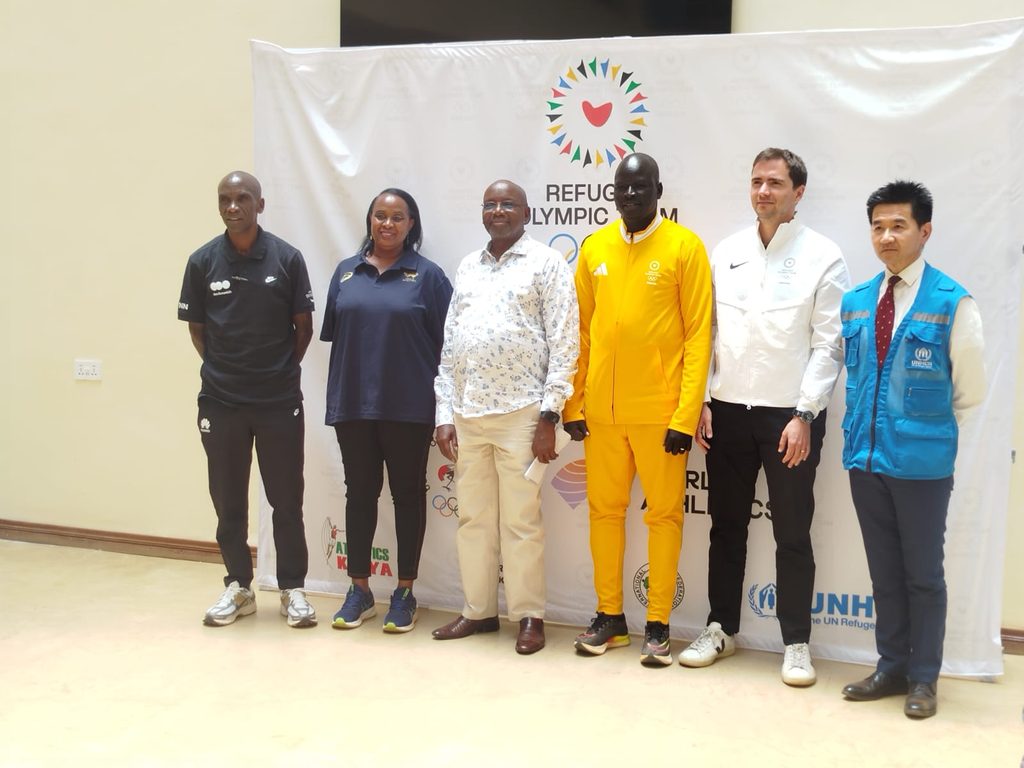
Their preparations were showcased on Wednesday during a Media and Stakeholder Engagement Day at the training centre. The event brought together officials from World Athletics, the United Nations High Commissioner for Refugees, the Olympic Refuge Foundation and the National Olympic Committee of Kenya.
The programme comes as forced displacement continues to affect millions of people worldwide. UNHCR estimates that more than 117 million people are forcibly displaced globally, including millions across Eastern and Southern Africa.
Alice Annibali of World Athletics said the refugee athlete programme has expanded since it was introduced in Kenya and now includes opportunities for younger athletes.
“As you can see, I’m a big fan of the refugee programme like many of our representatives here in Kenya. And in Uganda as well,” Annibali said.
She said Uganda joined the athletics programme following trials conducted last year.
“The Athletics Federation of Uganda just joined us this year through trials that were held last year,” she said.
Annibali said national federations remain important because they understand the local sporting environment and work directly with athletes.
“We are the world governing body and we count on them to represent us here,” she said.
She also warned that refugee athletes require special care because of the experiences they may have gone through before joining the programme.
“As we all know, refugee athletes come from very traumatic backgrounds and they may not react like any other athlete who has grown up in a training camp in their own country,” Annibali said.
“We have to be sensitive to that. We learned along the way and we will continue to learn,” she added.
Eliud Kipchoge, World Athletics Refugee Athletes’ Mentor, told the athletes that their journey should be guided by discipline, honesty, unity and peace.
“I’m able to bring discipline, I’m able to bring honesty and love, I’m able to promote the Olympic values of unity and making peace,” Kipchoge said.
He said the values were particularly important for athletes who have experienced displacement and conflict.
“Sport can actually change the world,” Kipchoge said.
Kipchoge also urged the athletes to reject the idea that their refugee status makes them less deserving of opportunities.
“We are not less. We are owning this world, this is our own home,” he said.
He challenged them to make the most of their opportunity at the Youth Olympics.
“You have no option but to work hard and perform because sport has actually provided you an opportunity to actually showcase your talent,” Kipchoge said.
Takeshi Moriyama, Strategic Partnership Advisor at UNHCR, said the importance of the programme extends beyond the athletes’ performances at the Games.
“The power of sports is in the process,” Moriyama said.
He explained that bringing refugee athletes together with members of their host communities creates opportunities for interaction and understanding.
“The refugees are here, hosted by the country generously, and the refugees through sports trained together with host communities, share the challenges and the moments together, and that itself is practically refugee inclusion,” he said.
Moriyama said Dakar 2026 would also have historic significance because it will be the first Olympic event staged on African soil.
“This forthcoming Olympics will not be the last, but this will be the beginning of the partnership,” he said.
He praised the commitment shown by the athletes and their host communities.
“I really admire how much determination and commitment the refugees and also host communities have put together,” Moriyama said.
Gonzalo Barrio of the Olympic Refuge Foundation said Kenya has been involved in the refugee Olympic programme since its earliest days.
“Once the Refugee Olympic Team, the very first Refugee Olympic Team was announced in 2016, we started working with Kenya and the refugee athletes here,” Barrio said.
He recalled Kenya’s contribution to the first Refugee Olympic Team that competed at the Rio 2016 Games.
“As a matter of fact, they’ve composed half of the first Refugee Olympic Team in 2016,” he said.
Barrio said Kenya continues to play an important role in preparing refugee athletes for major international competitions.
“We see again that Kenya hosts the majority of the athletes of the Youth Olympic Refugee Team,” he said.
He described the Kenyan model as an example that could be adopted elsewhere.
“What we are achieving here in Kenya is the gold standard of what we want to achieve across the world,” Barrio said.
He said the success of the programme has been supported by cooperation between national and international sporting organisations and UNHCR.
Pur Biel, Chef de Mission of the Dakar 2026 Olympic Refugee Team, said the athletes had responded positively to their first joint camp.
“It has been an honor to be here today and yesterday. The athletes are very happy,” Biel said.
“For the first time, these athletes are coming together, training together, staying together, and encouraging one another,” he added.
Biel, who was part of the Refugee Olympic Team at the Rio 2016 Games, said the six athletes will carry the hopes of young refugees around the world.
“These six athletes are a representation of a million of young athletes, young refugees who are living in refugee camps in different circumstances,” he said.
He said their goal in Dakar would include representing displaced young people who may not have access to international sporting opportunities.
“What we are looking for for the Dakar is to represent the millions of refugees and also to participate,” Biel said.
He added that sport could give the athletes a platform to promote peace.
“These young athletes will be part of the peace promotion around the world and also continue to be mentors for the young refugees who are living in refugee camps,” he said.
“This is the beginning of their life,” Biel added.
Barnaba Korir, NOCK First Deputy President, said the refugee sports programme is consistent with Kenya’s approach to hosting people displaced from their countries.
“The policy of the government of Kenya has been having what we call an open borders, especially for people from different countries who are having challenges in their own countries,” Korir said.
He said the sporting fraternity was seeking to extend similar opportunities to refugee athletes.
“What National Olympic Committee is doing is replicating what the government of Kenya has done by giving a chance to the refugees,” he said.
Korir said the programme allows talented young refugees to develop their abilities and pursue sporting careers.
“The program that was initiated by IOC and also now being supported by World Athletics is that nurturing of talent and giving those who have got a chance to make a difference in their lives is also giving that opportunity to do so,” he said.
He acknowledged the difficulties involved in bringing together athletes from different backgrounds.
“Putting a team together from different perspectives is not very easy, but this serves as an example of the success,” Korir said.
He said the team would also challenge other countries to reconsider how they view refugee participation in sport.
“Refugees don’t have to suffer quietly. They can also be participants in the games where the world is part of that,” Korir said.
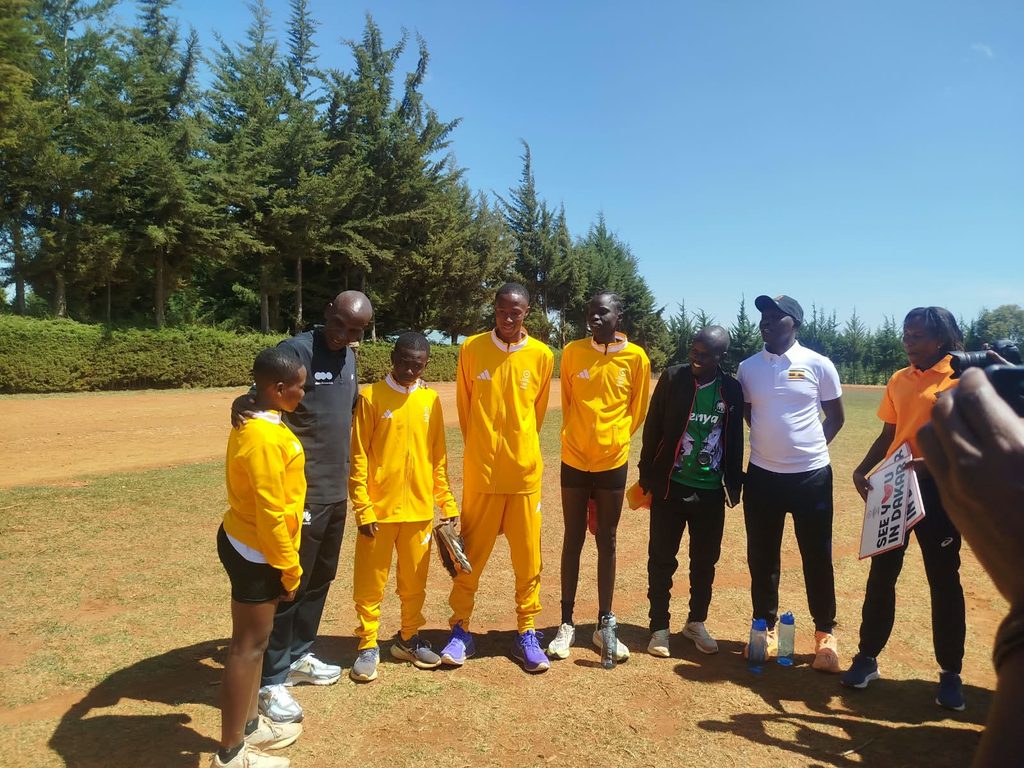
The six athletes will continue with intensive training throughout the residential camp as they work on their physical fitness, technical skills and teamwork.
For the athletes, the camp provides an opportunity to prepare for one of the biggest competitions of their young careers while building bonds with teammates who share similar experiences of displacement.
Their participation will also give them a platform to represent millions of young refugees who continue to live in different parts of the world.
The Dakar 2026 Youth Olympic Games will be held in Senegal in October and November. The Games will mark the first time an Olympic event is staged on African soil.
 Eldoret Leo