
 By Robert Mutasi
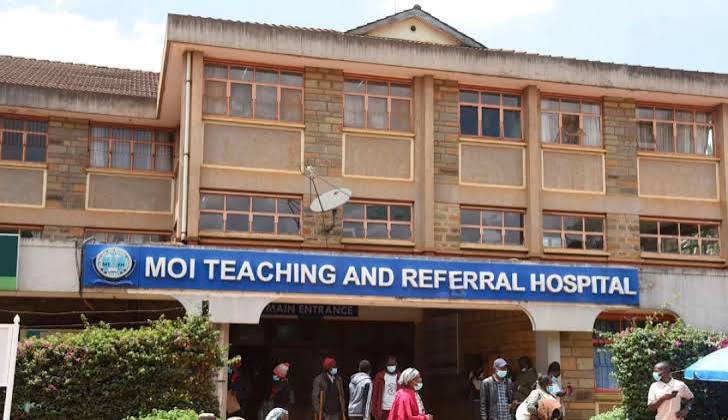
Moi Teaching and Referral Hospital (MTRH) has dismissed reports circulating on social media claiming that it has admitted an Ebola patient, clarifying that the facility is monitoring one person who was placed under precautionary quarantine after possible exposure to the virus.
MTRH Chief Executive Officer Dr Philip Kirwa said the hospital had no confirmed Ebola patient in its care. He explained that the individual under quarantine was identified through contact tracing after sharing a flight with a suspected case who travelled from Uganda through Jomo Kenyatta International Airport (JKIA).
According to Kirwa, the woman has been in Kenya for three weeks since the reported contact and has not developed any symptoms associated with Ebola.
He added that earlier tests returned negative results, with a final confirmatory test scheduled for October 23, 2026. The woman is expected to be released from quarantine if the latest results remain negative and health officials clear her.
“We have no Ebola-infected patients. Quarantine is not equal to being an infected person,” Kirwa said.
“What we have is a contact on quarantine for the purpose of protecting the public.”
The hospital chief executive urged Kenyans to avoid spreading unverified information that could cause unnecessary fear, stressing that precautionary public health measures should not be confused with a confirmed infection.
He explained that people identified as contacts of suspected or confirmed Ebola cases are monitored for symptoms throughout the 21-day incubation period. Health officials use the period to identify possible infections early and prevent further transmission.
Quarantine allows authorities to monitor individuals who may have been exposed to the virus, while isolation is used to separate people who are ill or suspected of being infected, depending on the circumstances and applicable public health guidance.
Kirwa said the monitoring process was intended to protect both the individual and the wider community as health authorities continue surveillance and contact tracing.
The clarification comes amid heightened public attention following reports of Ebola infections in the region. The Bundibugyo virus is one of the species of ebolavirus known to cause Ebola disease, which can lead to severe illness and death.
Kenya has so far reported nine confirmed cases of Bundibugyo ebolavirus, according to the figures provided in the latest update.
Health authorities have continued to urge the public to rely on official communication from the Ministry of Health and designated health facilities for accurate information about the situation.
Members of the public are also advised to seek medical attention if they develop symptoms after a known or suspected exposure, rather than relying on social media reports or attempting to establish a diagnosis on their own.
MTRH maintained that the person under precautionary quarantine had not tested positive in the earlier tests and that the final assessment would help determine the next course of action.