
 By Robert Mutasi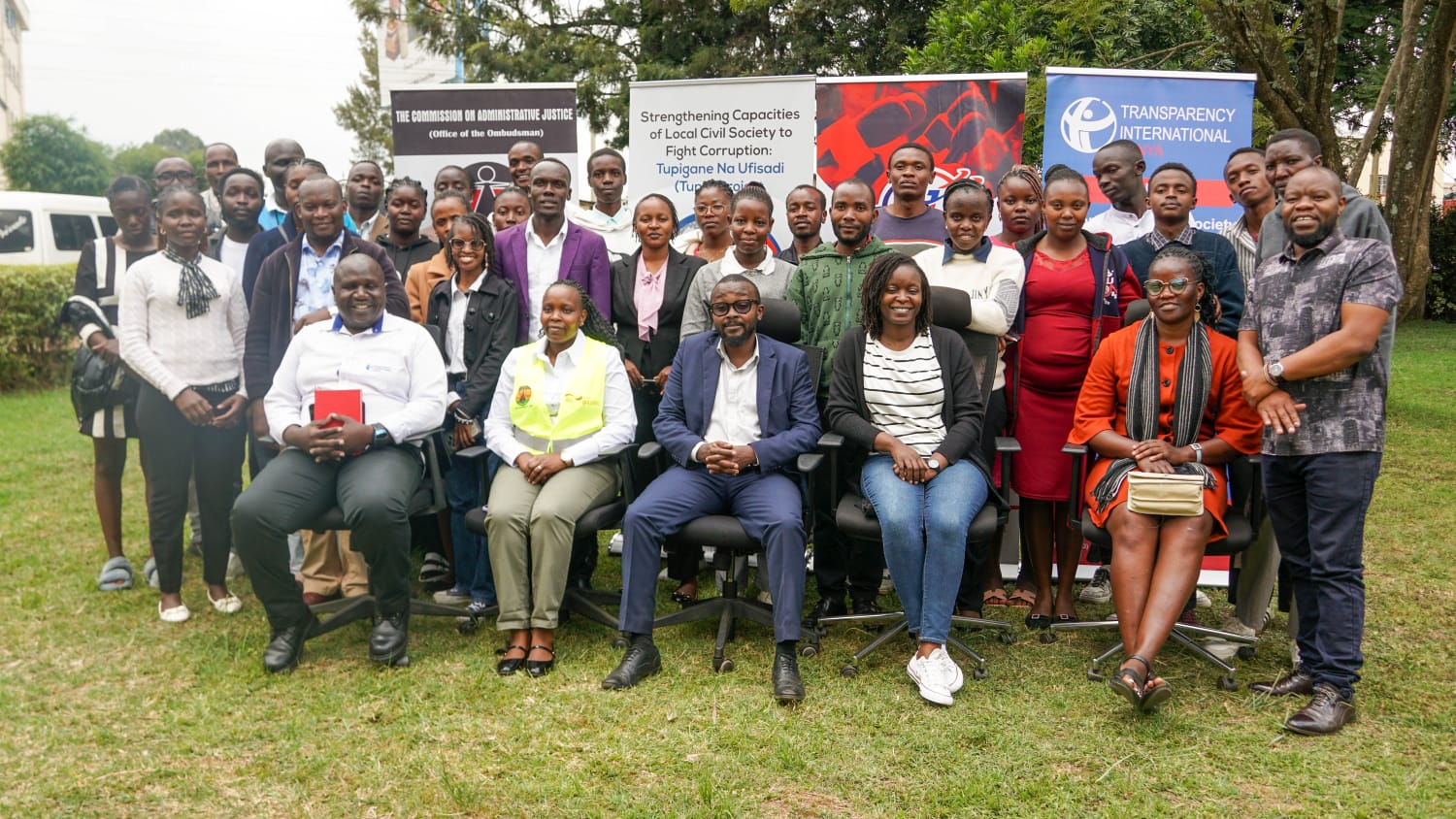
Youth leaders, journalists, civil society organizations and public institutions have called for stronger partnerships in the fight against corruption, saying integrity, accountability and transparency must become the foundation of public service and governance across Africa.
The appeal was made during an Africa Anti-Corruption Day forum held at the Eldoret Media Hub in Uasin Gishu County. The event brought together students, media practitioners and representatives from oversight institutions to discuss the role of citizens in combating corruption and promoting ethical leadership.
Speakers at the forum agreed that corruption continues to undermine economic growth, weaken public institutions and deny citizens access to quality services. They said reversing the trend requires a collective commitment from government agencies, the media, learning institutions and the public.
Sonia Mitchelle, a journalism student at Moi University, urged young people to reject bribery when seeking employment despite the country’s challenging job market.
“We know many young people are unemployed and life is difficult, but no one should buy a job. Apply through the proper process and allow your qualifications and abilities to earn you the opportunity,” she said.
Her colleague, Geen Ogolla, said integrity begins with personal responsibility, adding that corruption often deprives deserving individuals of opportunities.
“When someone pays for an opportunity, another qualified person loses that chance. We must reject every form of corruption because it starts with the choices we make as individuals,” Ogolla said.
Gen Z youth representative Diana Nanjala called for increased civic education to empower persons with disabilities, especially those living in rural and marginalized communities.
She said many people with disabilities remain unaware of their constitutional rights and protections under the Disability Act, limiting their ability to access government services and participate fully in society.
“There is a need for continuous awareness and capacity building so that persons with disabilities understand their rights and can demand equal treatment and access to public services,” Nanjala said.
Rahab Gati, a journalism student at The Eldoret National Polytechnic, challenged young journalists to uphold professional ethics and use investigative reporting to expose corruption and promote accountability.
“Every individual has a responsibility to reject corruption. Journalists should continue investigating and exposing wrongdoing to ensure those responsible are held accountable,” she said.
Commission on Administrative Justice officer Eunice Keter said public awareness remains central to improving governance and strengthening accountability.
She said the commission continues to educate citizens about their constitutional right to fair administrative action and access to information, noting that informed citizens are better positioned to demand transparency from public institutions.
“The Commission on Administrative Justice remains committed to working with stakeholders to strengthen accountability and transparency in the public sector,” Keter said.
Uasin Gishu Journalists Association Media Coordination Manager Ibrahim Too said public perception remains one of the biggest obstacles in the fight against corruption.
He said previous engagements with young people showed that some only view corruption as a problem when they are personally disadvantaged.
“That mindset must change because corruption affects everyone. It slows development, weakens institutions and limits opportunities for future generations,” Too said.
Uasin Gishu Journalists Association Chairperson James Gitaka urged journalists and African leaders to strengthen institutions by promoting integrity, transparency and the rule of law.
“There is still much work to be done across Africa. Countries that have made progress in reducing corruption have invested in transparent governance, independent institutions, accountable leadership and strong judicial systems. Those are lessons Africa should continue to embrace,” Gitaka said.
Transparency International officer Tom Juma said corruption remains a major barrier to development across the continent by diverting resources intended for healthcare, education, infrastructure and other essential public services.
He noted that corruption surveys continue to identify policing and land administration among the sectors most vulnerable to bribery, highlighting the need for stronger oversight and public participation in anti-corruption efforts.
“Our objective is to reduce corruption by encouraging citizens to reject bribery, report corrupt practices and actively demand accountability from public institutions,” Juma said.
Africa Anti-Corruption Day is observed annually on July 11 to commemorate the adoption of the African Union Convention on Preventing and Combating Corruption. The annual observance promotes integrity, transparency and accountability while encouraging governments, oversight agencies, civil society and citizens to work together in combating corruption across the continent.