
 By Robert Mutasi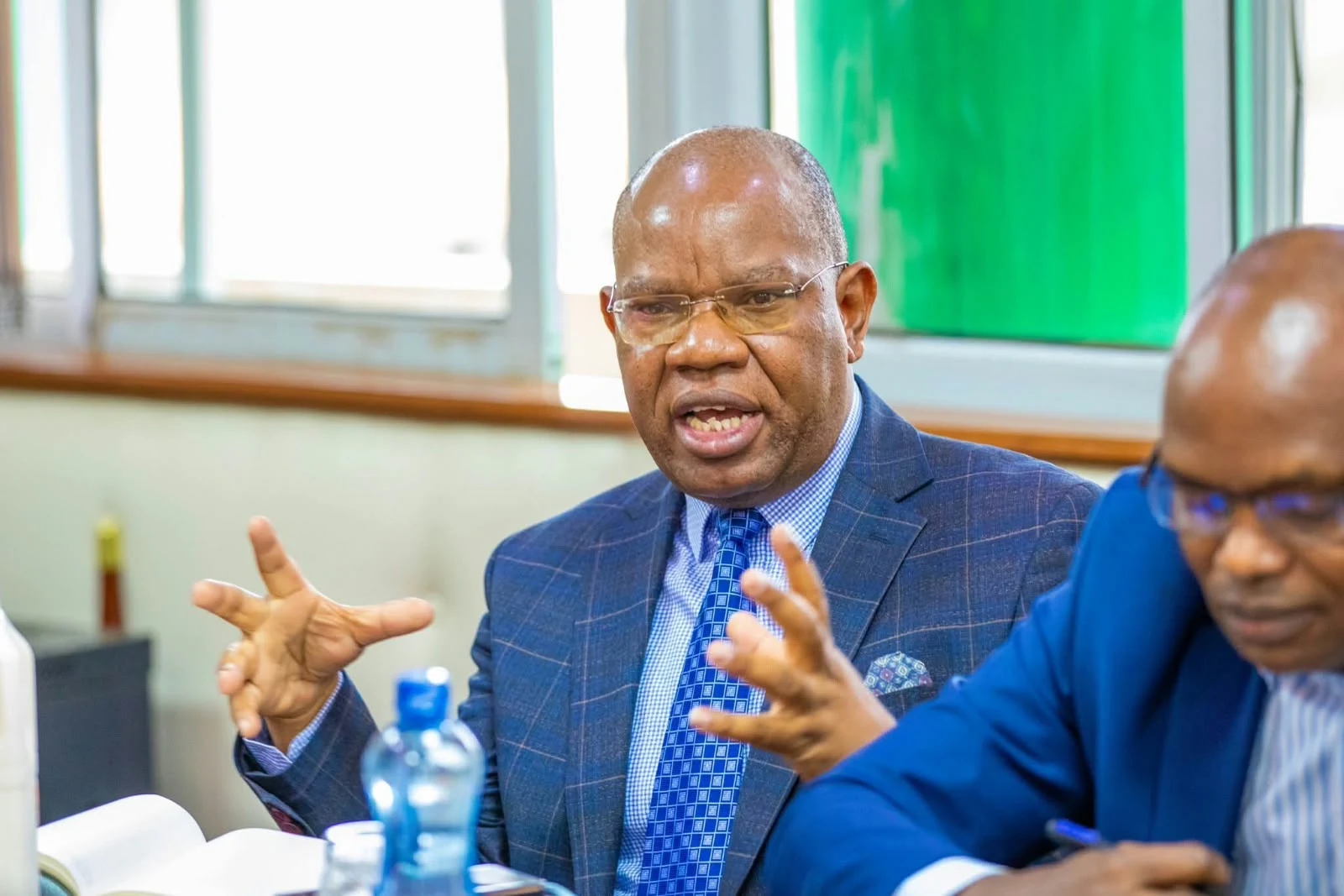
Kenya Dairy Board (KDB) Chairman Genesio Mugo has called for greater transparency and accountability in the dairy cooperative sector, warning that farmers must receive a fair and clearly explained share of the money paid for their milk.
Mugo said it was unacceptable for a processor to purchase milk from a cooperative at, for example, Sh65 per kilogramme while the farmer who produced the milk received only Sh48. He described such a situation as “despicable”, arguing that dairy farmers deserve to know how every shilling earned from their produce is accounted for.
His remarks come amid growing concern over the sustainability of Kenya’s dairy value chain, with farmers frequently raising questions about milk prices, cooperative deductions, delayed payments and the share of the final value that returns to producers.
According to Mugo, cooperatives have a responsibility to operate with openness and ensure that farmers understand the price negotiated with processors and the deductions made before the producer is paid.
The KDB chairman said the farmer should not be left wondering why there is a substantial difference between the price paid by a processor and the amount appearing on the farmer’s payment statement. The difference, he noted, should be properly accounted for and transparently explained.
“If a processor buys milk at Sh65 per kilogramme from a cooperative and the farmer receives only Sh48, the cooperative must be able to explain where the balance has gone,” Mugo said.
His concern touches on one of the most important issues facing Kenya’s dairy sector: ensuring that the farmer, who bears the greatest production risks, receives a meaningful return from the value chain.
Dairy farmers invest heavily in feed, labour, veterinary services, breeding, water, electricity and other inputs before their milk reaches a cooperative collection centre. When the final payment does not adequately reflect the value of their produce, farmers can struggle to remain profitable.
Mugo said cooperatives should therefore prioritise the interests of their members and maintain accurate records that clearly show the price received, operating costs, statutory deductions and the amount ultimately paid to each farmer. Transparency, he argued, would help rebuild confidence between farmers and their cooperatives.
For years, cooperatives have played a central role in Kenya’s dairy industry by aggregating milk from smallholder farmers and negotiating markets with processors. They can provide farmers with bargaining power that would be difficult to achieve individually. However, that relationship can only remain sustainable if farmers have confidence that their cooperative is acting in their best interests.
The KDB chairman’s remarks therefore place accountability at the heart of the relationship between cooperatives and their members. A farmer who understands the price paid for milk and the legitimate costs deducted is more likely to trust the cooperative system. Conversely, unexplained price differences can create suspicion and weaken the very institutions established to protect farmers.
Mugo’s call also comes at a time when the dairy sector is seeking to improve productivity and competitiveness. For Kenya to develop a stronger dairy industry, farmers must have an incentive to produce more and invest in better production practices. Fair and predictable payment is a critical part of that equation.
If farmers feel that increased production does not translate into better earnings, they may be discouraged from expanding their enterprises.
Mugo’s position is that transparency should not be treated as an optional administrative practice but as a fundamental principle of cooperative management. Every deduction should have a legitimate explanation, while farmers should have access to information on how their milk is priced and marketed. This could include clear payment statements, regular financial reporting, member consultations and stronger oversight mechanisms.
Ultimately, he said, a strong dairy sector must be built on a fair partnership between farmers, cooperatives and processors.
 Michael Karemi
  Baraka Simba