
 By Robert Mutasi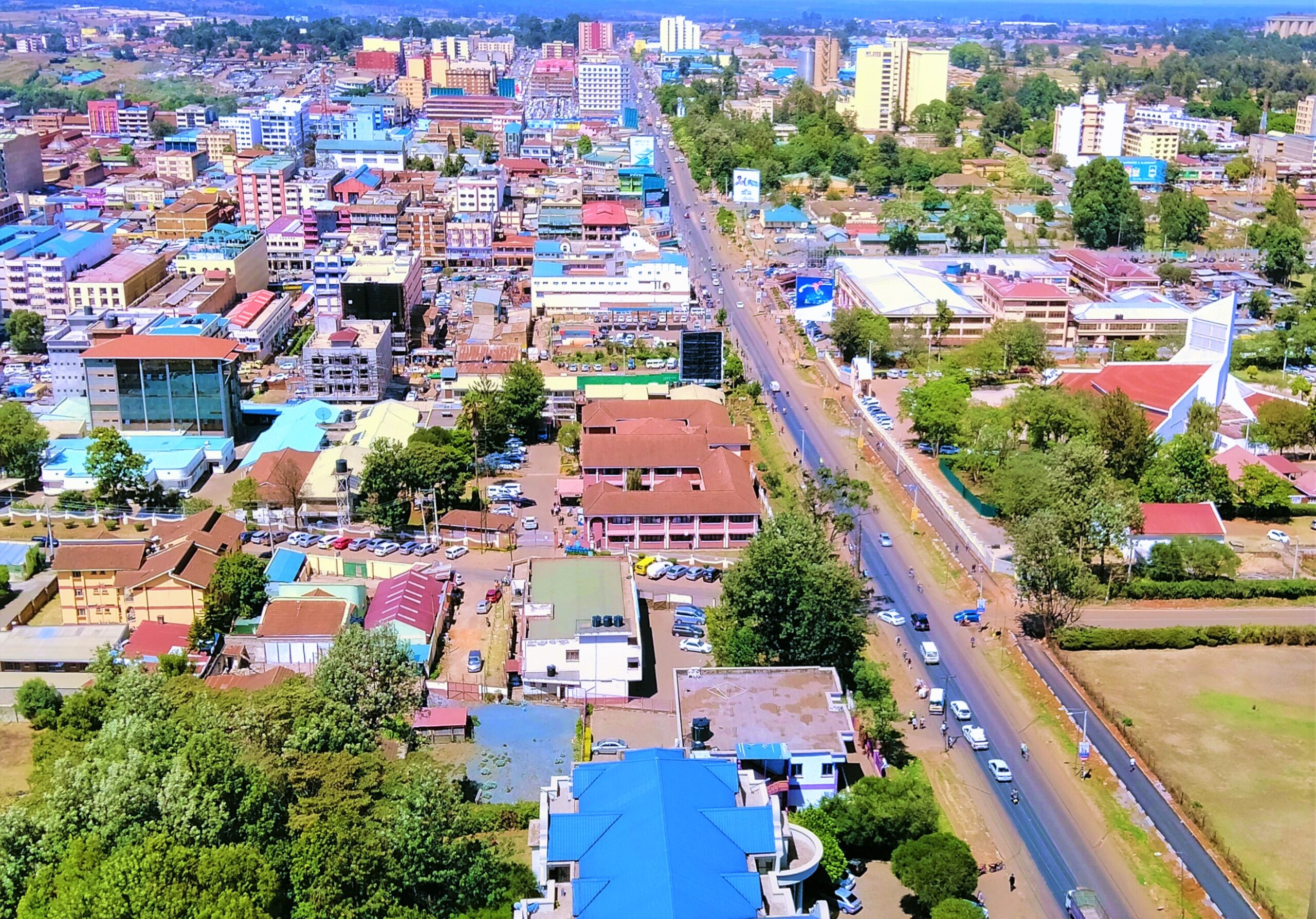
Two years after Eldoret was elevated to city status, the Uasin Gishu County Government is facing growing pressure to increase revenue generated locally to meet the rising cost of running the North Rift’s principal urban centre.
The Senate Standing Committee on Devolution and Intergovernmental Relations has directed Governor Jonathan Bii’s administration to strengthen Eldoret City’s own-source revenue, warning that current collections are insufficient to support the infrastructure and public services expected of a rapidly growing city.
The committee put the county’s annual own-source revenue collection at about KSh1.2 billion, although Governor Bii told the senators that the figure was higher, standing at approximately KSh1.7 billion.
Bii explained that the lower figure used by the committee did not include revenue collected from health facilities because such funds are treated as appropriations-in-aid.
The difference in the figures, however, did little to ease the committee’s concerns over the city’s financial capacity.
Committee Chairperson and Wajir Senator Mohamed Abbas said Eldoret’s growing population and economic activity had increased the need for investment in roads, waste management, public amenities and other urban services.
“The city is actually a growing city that needs a lot of infrastructure development,” Abbas said.
“With the minimum collections you’re making, you will not be able to sustain its function and provide services to the residents,” he added.
The Senate’s concern comes two years after Eldoret formally attained city status in August 2024. The elevation raised expectations that the new status would help attract additional investment, expand commercial activity and strengthen the county’s revenue base.
At the time of the elevation, Uasin Gishu had collected about KSh1.09 billion in the first three quarters of the 2023/24 financial year.
The county had also projected to receive KSh8.4 billion in equitable share from the national government during the 2024/25 financial year. Its budget for the same period stood at about KSh9.8 billion, with infrastructure development and municipal administration among the areas identified for funding.
However, the latest Senate scrutiny suggests that growth in own-source revenue has yet to keep pace with the financial demands associated with Eldoret’s city status.
Marsabit Senator Mohamed Chute raised further concern over the county’s revenue performance, saying collections had declined from KSh1.1 billion in 2020/21 to KSh1.058 billion in 2025/26.
The figures point to a revenue base that has remained relatively stagnant despite the expansion of Eldoret’s economy and the increased expectations placed on the city administration.
Eldoret has several sectors capable of supporting a larger local revenue base. Agriculture remains an important part of the wider regional economy, while the city also has a substantial presence in sports, healthcare, education, logistics, commerce and transport.
The city is also served by Eldoret International Airport and hosts major public and private institutions that contribute to its economic activity.
These sectors provide opportunities for revenue through licences, permits, property-related charges, market fees and other county levies. The challenge for the county government is to turn that economic activity into a reliable and transparent revenue stream without placing an excessive burden on residents and businesses.
The Senate committee has also questioned the effectiveness of the county’s revenue collection system. It wants the administration to demonstrate whether its systems are sufficiently automated and whether revenue collection covers all parts of Eldoret.
The committee has further asked the county government to prepare a detailed roadmap showing how it intends to expand its own-source revenue.
The demand comes as Eldoret continues to experience urban growth, increasing pressure on roads, drainage, waste collection, public spaces and other municipal services.
City status carries expectations of improved urban management and expanded public amenities. Meeting those expectations requires sustained financing, particularly as population and commercial activity increase.
If local revenue remains at current levels while the cost of providing services continues to rise, the county may have to rely more heavily on equitable share allocations, partnerships and other sources of financing to bridge the gap.
The issue is also emerging as Kenya faces broader fiscal pressure, with delays and shortfalls in the disbursement of equitable share funds creating additional challenges for county governments.
Meanwhile, the Senate is also examining the financial capacity of other urban centres seeking city status. Thika is being considered as Kenya’s potential sixth city, although its own revenue and expenditure records have also attracted scrutiny.
For Eldoret, the Senate’s latest intervention places renewed focus on whether the city can build a stronger financial base to match its growing responsibilities.
The challenge facing Uasin Gishu is therefore twofold: expanding the revenue base while ensuring that residents and businesses can see tangible improvements in the services and infrastructure that city status was expected to deliver.
 Michael Karemi
  Baraka Simba