
 By Robert Mutasi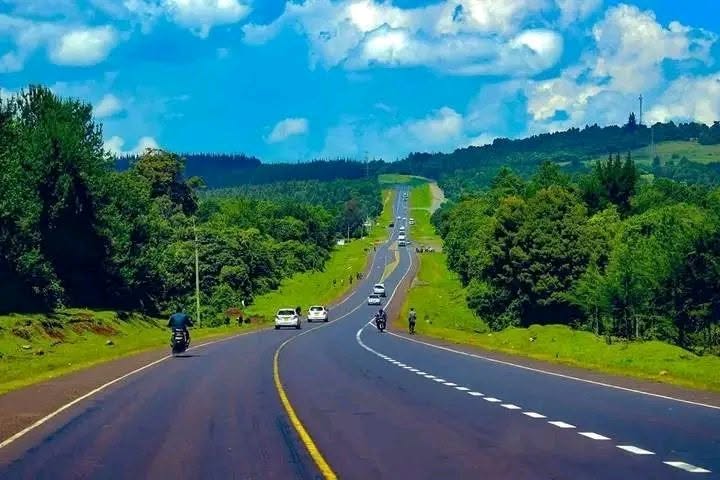
The death of 17 pilgrims in a road crash at Salama along the Nairobi-Mombasa Highway has renewed attention on some of Kenya’s most dangerous road sections, including the Nakuru-Eldoret Highway.
The victims were travelling from St Matthias Mulumba Catholic Parish in Mikindani, Mombasa, to the Subukia Shrine in Nakuru for National Prayer Day when their bus was involved in a multi-vehicle collision at Salama on October 3, 2026.
President William Ruto condoled with the families of those who died and the Catholic fraternity following the crash.
The Salama tragedy has once again raised questions about road safety on major highways, where heavy commercial traffic, speeding, overtaking and difficult road terrain continue to pose risks to motorists and passengers.
The Nakuru-Eldoret Highway is among the routes that have featured prominently in discussions on road safety. The highway forms part of the Northern Corridor, carrying thousands of vehicles every day between Nairobi, western Kenya and neighbouring countries.
One of the sections that has recorded major crashes is the Sachangwan-Salgaa stretch.
The road includes a long downhill section where heavy trucks and other vehicles can encounter difficulties, particularly when travelling at high speed. Brake failure involving trucks has been linked to some of the serious crashes reported along the route.
Sachangwan has also been associated with some of Kenya’s deadliest road accidents.
In 2009, a fuel tanker accident at Sachangwan triggered a massive fire that killed more than 130 people. The victims included motorists and residents who had gathered around the accident scene.
The area has continued to experience crashes over the years, keeping it among the road sections that attract concern from motorists and road safety stakeholders.
Salgaa, located along the same highway, has also recorded fatal collisions. The combination of heavy trucks, passenger vehicles and long-distance traffic increases the consequences when drivers lose control or attempt dangerous manoeuvres.
For motorists using the Nakuru-Eldoret route, the risks are not limited to one particular location. Traffic volumes can change quickly, while trucks and buses share the highway with smaller vehicles and motorcycles.
Road safety experts have repeatedly urged motorists to observe speed limits, avoid dangerous overtaking and maintain sufficient distance from vehicles ahead. Drivers of heavy commercial vehicles also need to ensure that braking systems are in proper working condition before beginning long journeys.
The condition of the road and its capacity have also remained subjects of public discussion as traffic volumes increase along the Northern Corridor.
The recent deaths at Salama provide another reminder of the consequences of road crashes on Kenya’s busy highways. For users of the Nakuru-Eldoret Highway, greater caution is particularly important around steep descents, junctions and sections with heavy truck traffic.
Authorities and road users face a shared responsibility to reduce crashes through enforcement, proper vehicle maintenance, responsible driving and continued attention to high-risk sections of major highways.