
 By Robert Mutasi
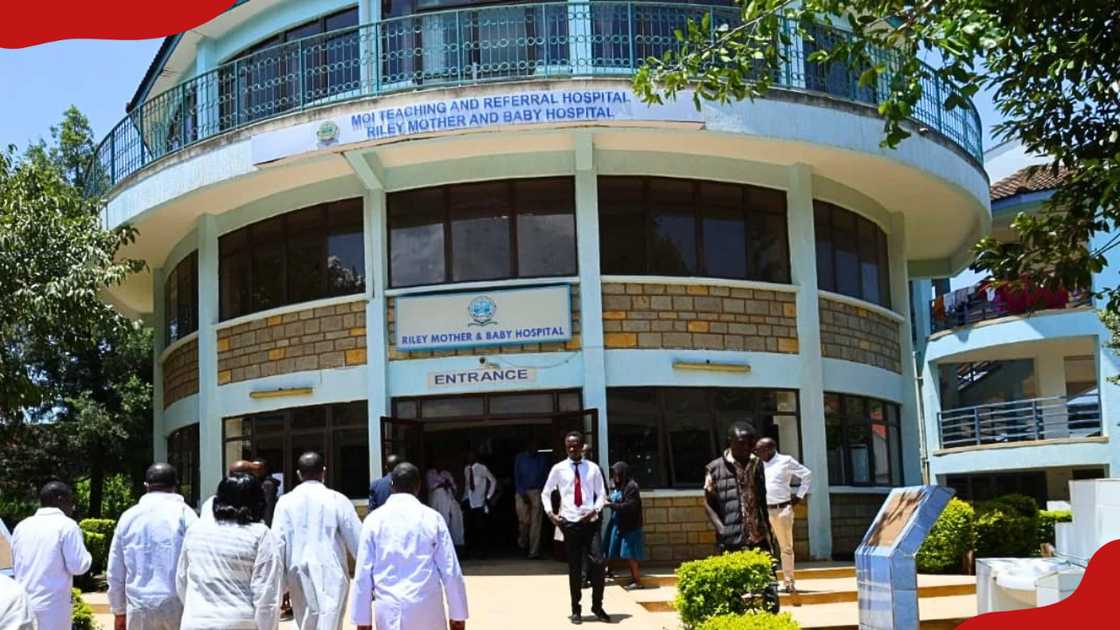
Ten people who had been placed under isolation and monitoring for suspected Ebola infection at Moi Teaching and Referral Hospital (MTRH) in Eldoret have tested negative for the virus and been released, easing concerns over a possible outbreak at the major regional referral facility.
Among those cleared was a Ministry of Health person of interest who had travelled on the same flight as a confirmed Ebola patient, prompting precautionary monitoring in line with public health protocols.
MTRH Chief Executive Officer Dr Philip Kirwa confirmed the development on Wednesday, October 28, 2026, while briefing the National Assembly’s Departmental Committee on Health during its oversight visit to the hospital.
Dr Kirwa said all ten individuals who had been isolated for monitoring had tested negative and were subsequently released. He added that most of the patients who presented with symptoms initially associated with Ebola were instead diagnosed with malaria and received appropriate treatment.
The hospital’s announcement is expected to reassure residents of Eldoret and the wider North Rift region, where MTRH serves as a major centre for specialised medical care.
Dr Kirwa maintained that the hospital was adequately prepared to handle suspected Ebola cases and other emerging infectious diseases, citing the availability of isolation facilities, protective equipment and essential medical supplies.
He said the facility had an isolation centre established through a partnership with the World Bank, while another unit with a capacity of more than 30 beds, currently used as an intensive care unit, could be converted into an isolation facility if the need arose.
The hospital has also received personal protective equipment and other essential supplies from the Ministry of Health to support the safe management of suspected cases and protect healthcare workers.
The preparedness measures are particularly important given MTRH’s role in serving patients from Uasin Gishu, other counties in the North Rift and western Kenya, as well as neighbouring countries, including Uganda.
Health authorities have continued to emphasise surveillance, contact tracing, early detection and infection prevention as key measures in containing the spread of Ebola and other infectious diseases.
The clearance of the ten individuals, however, does not mean that the national Ebola response has ended. Public health officials continue to monitor identified contacts and implement containment measures where necessary.
The announcement was made during a visit by the National Assembly’s Departmental Committee on Health, which was assessing the utilisation of public funds and progress on development projects at the referral hospital.
The delegation was led by its acting chairperson, Kilgoris Member of Parliament Julius Sunkuli, and included legislators Anthony Kibagendi, Titus Khamala, Joshua Oron, Pauline Lenguris and Mary Maingi.
The committee reviewed the hospital’s expenditure under the 2025/2026 financial year budget, covering recurrent spending and development projects.
Mr Sunkuli said the committee was satisfied with the hospital management’s utilisation of funds allocated by Parliament, adding that the oversight exercise was intended to ensure public resources were used prudently and delivered value to Kenyans.
The legislators also inspected ongoing construction of a new referral hospital facility in the Kiplombe area of Eldoret City.
The committee’s visit formed part of a nationwide oversight exercise covering Level Six hospitals and major health infrastructure projects. The delegation was expected to proceed to Kisumu as it continued assessing the performance of public health facilities.
Although all ten individuals at MTRH tested negative, continued vigilance remains important as Kenya strengthens its response to Ebola concerns.
Health authorities have encouraged members of the public to follow official Ministry of Health updates, maintain good hand hygiene and seek prompt medical attention if they develop symptoms after possible exposure to an infected person.
Ebola is a serious viral disease that can spread through direct contact with the blood or other body fluids of an infected person who is showing symptoms, as well as contaminated materials.
Early recognition of suspected cases, timely medical assessment, contact tracing and appropriate infection prevention measures are essential in limiting transmission.
For Eldoret and the wider region, the latest MTRH update offers reassurance that the individuals monitored at the facility were not confirmed to have Ebola. The hospital has also reiterated its readiness to respond to potential public health emergencies while continuing to provide essential medical services.
The development underscores the importance of preparedness, reliable public communication and coordinated action between hospitals and national health authorities in protecting communities from emerging infectious diseases.
 Baraka Simba
 Eldoret Leo