
 By Robert Mutasi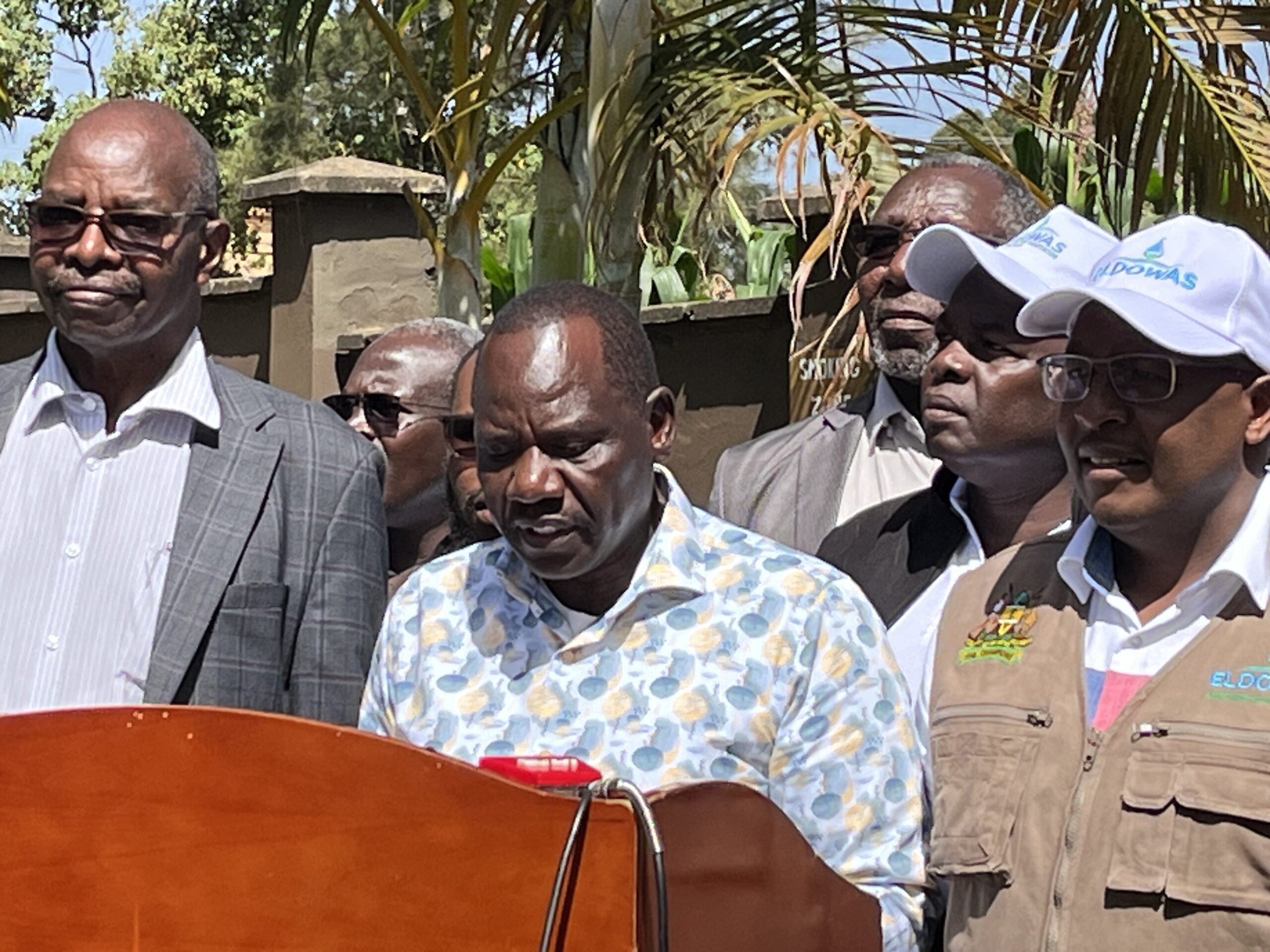
Residents of Eldoret have secured a major victory after a bitter and prolonged dispute over a controversial water tariff increase proposed by the Eldoret Water and Sanitation Company (ELDOWAS) was dramatically scaled down following months of protests, legal battles, and public pressure.
The standoff, which had triggered anxiety among households, businesses, landlords, and institutions across Kenya’s newest city, ended after stakeholders agreed on a revised water pricing structure that significantly reduced the burden initially proposed by the utility firm.
Under the new agreement, domestic consumers will now pay Sh84 per cubic metre for water instead of the initially proposed Sh130 per cubic metre — a proposal that residents had condemned as punitive, exploitative, and economically devastating.
The original proposal would have represented nearly a 300 percent increase in some categories, sparking widespread outrage in a city already grappling with the rising cost of living, high electricity prices, and increasing operational expenses for small businesses.
The settlement was reportedly brokered through the intervention of Jonathan Bii, who convened discussions involving ELDOWAS management, consumer representatives, and water sector regulators in an effort to end the escalating conflict.
For months, the dispute had paralysed sections of operations within the city’s water sector, with legal uncertainty creating fears over future infrastructure financing and service delivery.
Residents, led by consumer lobby groups including the 64 Residents Association, had strongly opposed the tariff review after it was published through a Kenya Gazette notice. They argued that the utility company had failed to conduct meaningful public participation before implementing such a drastic increase.
The matter quickly escalated into a legal showdown that exposed growing frustrations among residents over the affordability of essential public services in Eldoret.
An initial case filed before the Environment and Land Court suffered a setback after the court ruled that it lacked the primary jurisdiction to determine the pricing dispute. However, the residents refused to back down and moved the matter to the Water Tribunal, a specialised body established under the Water Act to handle disputes within the water sector.
In late April, the tribunal temporarily suspended the implementation of the new tariffs after finding that residents had established a prima facie case regarding the harsh financial impact of the proposed hike.
The ruling offered temporary relief to thousands of consumers who feared disconnections and skyrocketing monthly bills.
Business owners in Eldoret had warned that the proposed increase would cripple enterprises already struggling with inflation and declining consumer spending. Hotels, car wash operators, restaurants, salons, rental apartments, and small-scale manufacturers argued that higher water costs would inevitably be passed down to ordinary consumers.
Several residents also accused ELDOWAS of attempting to shift operational inefficiencies and infrastructure maintenance costs onto already overburdened consumers.
Despite the backlash, ELDOWAS defended the review, insisting that rising water treatment expenses, ageing infrastructure, and increasing demand for services had made tariff adjustments unavoidable.
However, mounting public anger and the prolonged legal freeze eventually pushed the company toward negotiations outside the courtroom.
The final agreement now represents roughly a 100 percent increase from historical rates — still substantial, but far lower than the controversial figures that had initially triggered outrage across the city.
Leaders and residents have welcomed the compromise as a triumph for civic activism, public participation, and consumer rights.
The dispute has also highlighted the growing pressure facing urban utilities in rapidly expanding towns such as Eldoret, where population growth and urbanisation are stretching existing infrastructure beyond capacity.
As the dust settles, many residents are now calling for greater transparency, regular public consultations, and improved service delivery from ELDOWAS to ensure future tariff reviews do not trigger another explosive confrontation.