
 By EldoretLeo
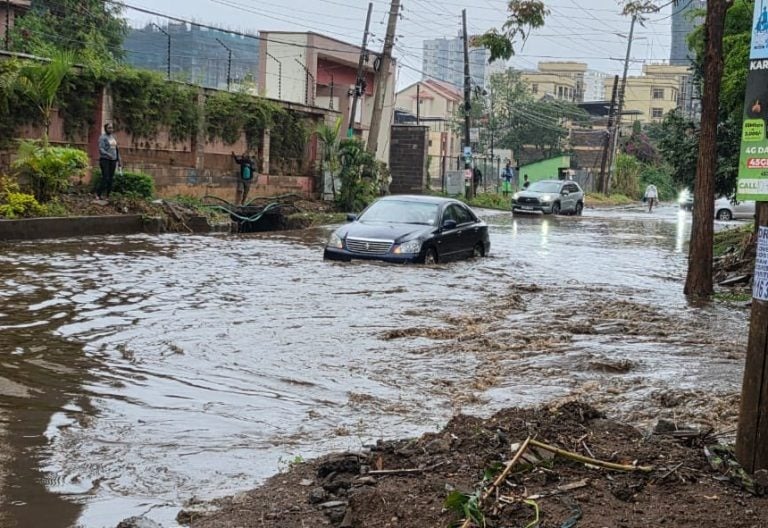
Residents of Uasin Gishu County have been urged to prepare for increased rainfall in November and December, with the Kenya Meteorological Service warning of possible flooding, infrastructure damage and disease outbreaks across the country.
The latest weather outlook indicates that Uasin Gishu is among 44 counties expected to receive above-average rainfall during the period, raising concerns over the potential impact on homes, roads, agricultural activities and public health.
The forecast comes as farmers across the North Rift region continue agricultural activities, with the anticipated rains expected to improve soil moisture, support crop growth and replenish water sources.
However, the increased rainfall could also expose communities in flood-prone areas to flash floods, rising river levels and disruptions to transport, particularly in areas with poor drainage systems.
According to Acting Director of the Kenya Meteorological Service Edward Muriuki, prolonged rainfall could increase the risk of flooding, especially in highland areas and river basins.
Western Kenya and parts of the Rift Valley, including Uasin Gishu, Nandi, Trans Nzoia, Nakuru, Kakamega and Bungoma, are expected to experience daytime temperatures ranging between 20 and 30 degrees Celsius.
Night temperatures in the region are forecast to range between eight and 20 degrees Celsius.
The weather agency warned that prolonged downpours could also damage rural roads, affecting the movement of agricultural produce and access to essential services.
For Uasin Gishu, one of Kenya’s leading agricultural counties, the anticipated rainfall presents both opportunities and challenges for farmers.
Improved soil moisture could support crop production, particularly for households involved in maize and other agricultural activities. Livestock farmers could also benefit from improved pasture regeneration and increased water availability.
However, farmers have been encouraged to remain alert to the possibility of waterlogging, soil erosion and damage to crops, particularly in poorly drained areas.
The forecast also raises public health concerns, with increased water accumulation expected to create breeding grounds for mosquitoes, potentially increasing malaria infections.
Flooding could also contaminate drinking water sources and sanitation facilities, raising the risk of waterborne diseases such as cholera and typhoid.
Muriuki attributed the expected rainfall patterns to several climate systems, including the Indian Ocean Dipole, El Niño-Southern Oscillation and Madden-Julian Oscillation, which influence rainfall distribution and intensity.
Despite the potential risks, the expected rains are viewed as an opportunity to improve agricultural production and strengthen water security following several months of relatively dry conditions.
November remains a critical month in Kenya’s October-November-December short rains season, which plays an important role in food production and water availability.
The meteorological department has urged residents to follow regular weather updates and use county-specific forecasts when planning farming activities, travel and other engagements.
Residents in flood-prone areas have also been advised to remain vigilant and avoid crossing flooded roads or rivers, as floodwaters can pose serious risks even in locations that have not experienced heavy rainfall.
The agency cautioned that above-average rainfall does not mean every area will receive similar amounts of rain or experience the same weather conditions at the same time.
 Eldoret Leo
 Baraka Simba