
 By Robert Mutasi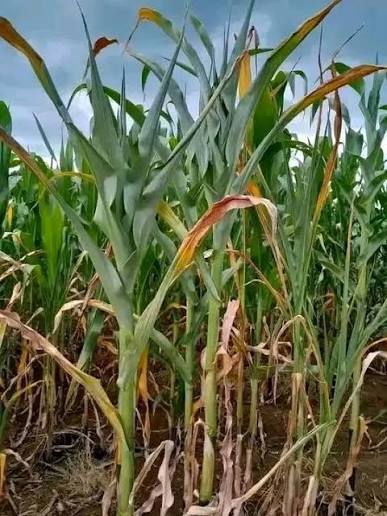
Erratic and unpredictable rain patterns are threatening national food security after prolonged dry spells caused massive crop failure across Kenya’s North Rift grain basket, with Uasin Gishu County now facing its worst farming crisis in years.
National and county government leaders have warned of an impending food crisis and called for urgent interventions to cushion farmers from the devastating effects of climate change, after thousands of acres of maize were destroyed before maturity.
Speaking during the national launch of the Integrated Natural Resources Management Programme (INReMP) at the University of Eldoret, Uasin Gishu Governor Jonathan Bii and Principal Secretary for the State Department for Agriculture Kiprono Ronoh said changing weather patterns had severely affected maize production in the country’s key food-producing region.
Governor Bii said the long rains started well, giving farmers hope, but then disappeared suddenly before crops could form grains, disrupting the traditional farming calendar.
“The last time you visited, we experienced early rains, giving farmers hope of a good season. We expected the rains to continue until May, but they suddenly disappeared. Today, the maize is green, yet there is nothing inside the cobs. The crops have dried up and the losses we are witnessing are devastating,” he said.
According to the governor, the drought has badly affected Uasin Gishu, Trans Nzoia, Bungoma and parts of Kakamega counties, all of which are among Kenya’s major maize-producing regions. He warned that widespread losses would significantly reduce this year’s harvest and threaten the country’s food supply.
Uasin Gishu has always been known as Kenya’s breadbasket, often supplying relief food to other counties during droughts. But this time, the county itself may need relief food.
“For the first time, Uasin Gishu may find itself among the counties requiring relief food. We are accustomed to supporting other regions during times of hardship, but this year the situation is different,” Bii said. He noted that about 60 percent of crops in Uasin Gishu have been destroyed.
He appealed to the national government to compensate affected farmers and consider writing off agricultural loans, saying thousands of local farmers are now facing severe financial losses and uncertainty despite doing everything right.
Agriculture Principal Secretary Kiprono Ronoh said the Ministry had already dispatched technical teams to assess crop losses across the North Rift to facilitate timely government intervention.
“Normally, at this time of the year, our farmers would be busy in their fields. Unfortunately, we are witnessing the effects of climate change, with many farms experiencing crop failure despite farmers doing everything required of them,” he said.
Ronoh attributed the losses to changing weather patterns rather than poor farming practices, saying the government had fulfilled its responsibility by ensuring farmers received subsidised fertiliser, certified seeds and other inputs in good time. He revealed that the government distributed about 11.6 million bags of subsidised fertiliser this year, the highest ever, creating expectations of one of the biggest harvests before the drought struck.
“Everything that was required was done on time. Farmers prepared their land early, collected fertiliser and quality seeds, and we expected one of the highest harvests in the country’s history. Unfortunately, the weather has dealt us a different outcome,” he said.
The PS urged farmers not to lose hope and to prepare for the short rains, noting that subsidised fertiliser had already been distributed beginning July 1.
Leaders said the newly launched Integrated Natural Resources Management Programme will play a critical role in the next eight years by restoring degraded landscapes, promoting climate-smart agriculture, improving water resource management, expanding market opportunities and strengthening institutions that support agricultural production.
They called for increased investment in irrigation, climate-resilient farming technologies and sustainable water conservation programmes to reduce vulnerability to unpredictable weather, warning that unless immediate support and long-term adaptation measures are implemented, declining harvests in the North Rift will have far-reaching consequences for household incomes, food availability and Kenya’s overall food security.