
 By Eldoret Leo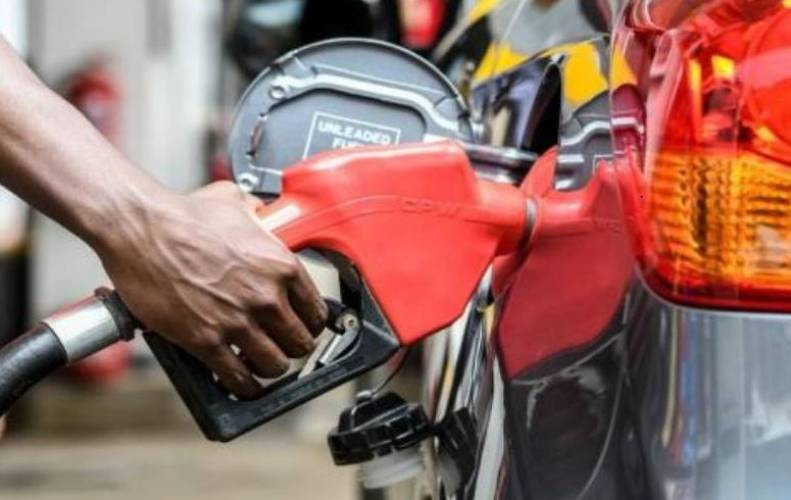
Global oil prices have surged past $100 per barrel for the first time since 2022, triggering fears of higher fuel prices and possible supply disruptions across the world.
The sudden spike in crude oil prices is largely linked to escalating tensions in the Middle East, where conflict has disrupted key energy infrastructure and shipping routes. Analysts say the situation has created uncertainty in global oil markets and reduced the flow of crude oil to international buyers.
The surge has already sent shockwaves through energy markets and could soon affect fuel prices in countries like Kenya that rely heavily on imported petroleum products.
One of the biggest drivers of the price surge is the disruption of oil shipments through the Strait of Hormuz, one of the world’s most important energy corridors.
Nearly 20 percent of the world’s oil supply passes through this narrow shipping route, which connects major oil producers such as Saudi Arabia, Iraq, Kuwait and the United Arab Emirates to global markets.
Recent military escalation in the region has slowed or halted tanker movements, significantly reducing global oil supply and triggering panic in energy markets.
At the same time, attacks on oil infrastructure and production facilities in the region have further strained supply, forcing some countries to cut output or redirect oil to domestic refineries.
While the current geopolitical crisis is the main trigger, several underlying factors also influence global oil prices.
Oil prices are primarily determined by the balance between global supply and demand. When demand exceeds supply, prices naturally rise.
Groups like OPEC and its allies (OPEC+) influence global oil markets by adjusting production quotas. When production cuts occur, the reduced supply often leads to higher prices.
Conflicts, sanctions and political tensions in major oil-producing regions can quickly disrupt supply chains and increase market uncertainty.
When economies grow and industries expand, global demand for energy increases, which can push oil prices higher.
For Kenya, rising global crude oil prices often translate into higher pump prices in subsequent fuel reviews by the Energy and Petroleum Regulatory Authority (EPRA).
Transport costs, food prices and business operations are all affected when fuel becomes more expensive.
With global prices already crossing the $100 mark, energy analysts warn that fuel price increases could soon follow if the situation persists.
For motorists and businesses, the message is simple: refueling while current pump prices remain lower could help cushion against possible price hikes in the coming weeks.
As global energy markets remain volatile, consumers across Kenya will be closely watching the next fuel price announcement.

Global oil prices have crossed $100 per barrel for the first time since 2022 due to geopolitical tensions and supply disruptions. Motorists in Kenya are being urged to refuel early before possible fuel price hikes.