
 By Robert Mutasi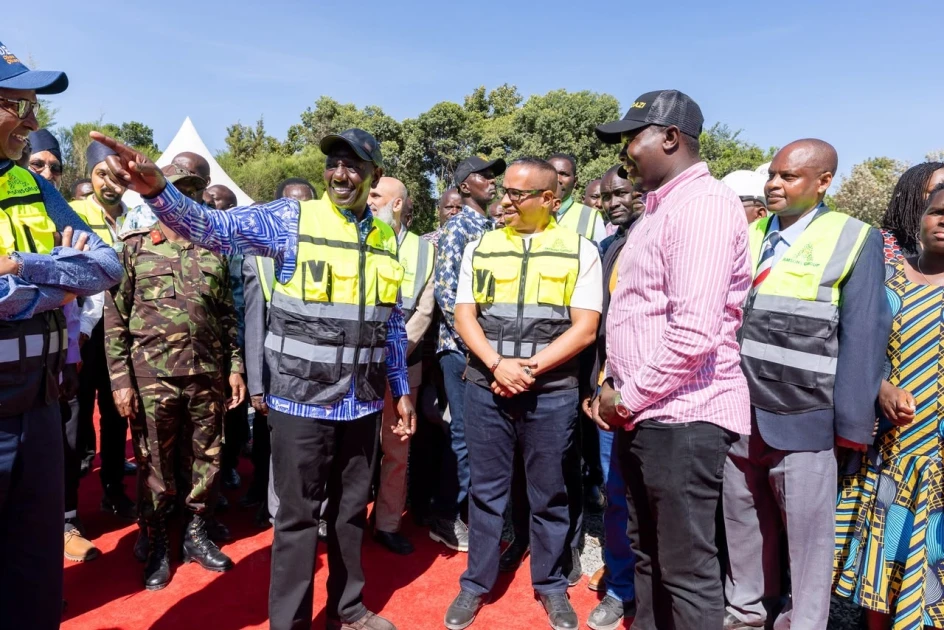
Uasin Gishu is among 10 counties set to benefit from a new network of specialised mother-and-child hospitals being financed through a $35 million (about KSh4.5 billion) grant from Amsons Group.
The initiative will see hospitals constructed and equipped before being handed over to the government for operation. Other counties listed as beneficiaries are Bomet, Nairobi, Kwale, Mombasa, Garissa, Kisumu, Embu, Nakuru and West Pokot.
The programme is expected to expand access to specialised maternal and newborn healthcare, including in areas where women travel long distances to access services during pregnancy and childbirth.
Construction of the first facility has already started in Chebunyo, Bomet County. The 250-bed Level 4 hospital will have maternity suites, operating theatres, neonatal intensive care services and facilities for antenatal, delivery and postnatal care.
President William Ruto said the contribution from Amsons was a grant and would therefore not create a repayment obligation for the government.
“This facility is a grant from Amsons. It’s not a loan, and that’s the value of friendship,” Ruto said.
Under the arrangement, Amsons will meet the cost of constructing and equipping the facilities before transferring them to the Kenyan government. The government will then take responsibility for staffing, medicines, maintenance and daily operations.
For Uasin Gishu, the project could add capacity to the county’s existing public healthcare network, particularly in maternal and newborn services. However, the government is expected to shoulder the recurrent costs once the facility serving the county is completed and handed over.
Amsons Group Managing Director and CEO Edha Nahdi said the company wanted the investment to result in projects that directly serve communities.
“Our commitment would not remain on paper or inside boardrooms, but would reach the ground where healthcare needs are most urgent,” Nahdi said.
According to Amsons, the 10 hospitals are expected to serve up to one million mothers annually. The facilities will target gaps in access to specialised maternity and newborn services, including emergency care.
The initiative is different from Amsons’ commercial investments because the company will not retain the hospitals as private healthcare facilities. Instead, they will become public assets after construction and equipping are completed.
The arrangement will place the focus on the government’s ability to provide adequate healthcare workers, medicines, maintenance and operational funding once the facilities are handed over.
In Uasin Gishu, where Eldoret serves as a major regional healthcare centre, the planned facility could complement services already available in the county and potentially reduce pressure on higher-level hospitals by bringing selected maternal and child services closer to residents.
The Chebunyo project will provide the first indication of how quickly the model can move from private financing to functioning public healthcare infrastructure.
For the 10 beneficiary counties, the long-term value of the programme will depend on both the completion of the hospitals and the government’s capacity to sustain them once they become public facilities.