
 By Baraka Simba
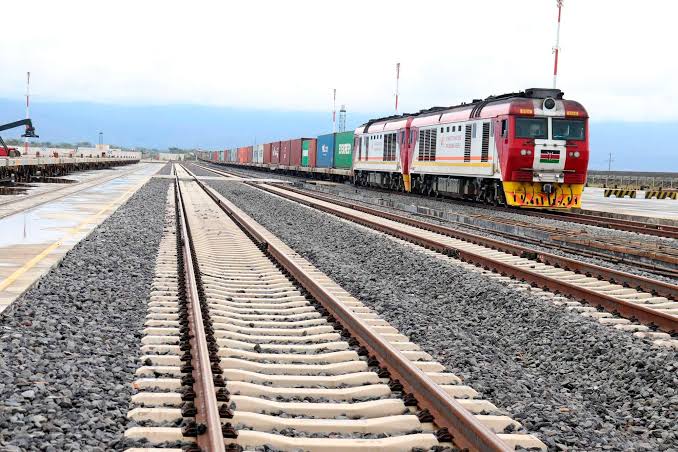
The disposal and trade of scrap metal linked to Kenya Railways has brought renewed attention to the management of public assets in Eldoret, a key railway town whose transport infrastructure remains important to businesses across Uasin Gishu County.
The issue comes as questions emerge over who benefits financially from the sale of railway scrap metal, raising concerns about transparency, accountability and the protection of infrastructure that supports economic activity in the North Rift region.
Eldoret occupies a strategic position along the metre-gauge railway connecting Mombasa to western Kenya and the Uganda border. The city’s railway network supports freight movement and provides links for transporting agricultural produce, industrial inputs and finished goods. According to Eldoret’s urban development plan, the county’s railway network covers approximately 17 kilometres and includes eight stations, three of them within the city.
For businesses in Eldoret, the condition and effective management of railway infrastructure have direct economic implications. A functional rail network can provide a cost-effective alternative for moving bulky goods, helping farmers, manufacturers, traders and transport companies manage logistics expenses and reach wider markets.
However, the trade in scrap metal presents a delicate balance between generating revenue from genuinely obsolete public assets and protecting materials that remain essential to railway operations.
If railway materials are removed unlawfully or infrastructure is vandalised for scrap, the consequences could extend beyond Kenya Railways. Damaged tracks and railway equipment can increase maintenance costs, undermine service reliability and shift more freight onto roads, potentially increasing transportation expenses for local businesses.
The scrap-metal industry also supports livelihoods through collection, transportation, sorting and recycling. Properly regulated disposal of obsolete materials could therefore create business opportunities for legitimate dealers and other enterprises in Eldoret.
The challenge is ensuring that such opportunities do not come at the expense of public infrastructure. Transparent disposal procedures, competitive bidding, proper documentation and strict verification of scrap-metal sources are essential to protecting public resources while supporting legitimate trade.
The Scrap Metal Council has identified Kenya Railways as a key stakeholder in preventing the sale of stolen railway materials as scrap and safeguarding infrastructure from vandalism.
For Eldoret, the broader question is whether the scrap-metal trade can generate legitimate economic value while preserving railway assets needed for future development.
Greater transparency in the disposal of public materials would help establish who benefits from the trade, whether the government receives fair value and whether the process safeguards the long-term interests of residents and businesses.
Ultimately, protecting railway infrastructure while regulating the scrap-metal industry could help Eldoret retain its role as a strategic logistics centre and support sustainable economic growth across Uasin Gishu County.
 EldoretLeo