
 By EldoretLeo
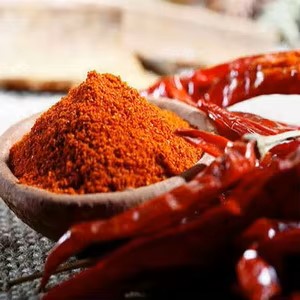
Kenyan dried chilli farmers, processors and exporters have secured access to the Chinese market, opening new opportunities for the country’s agricultural sector and businesses seeking to expand into international trade.
The development was announced by the Kenya Plant Health Inspectorate Service (KEPHIS), which issued a public notice outlining strict food safety, quality and plant health requirements that exporters must meet before shipping their products to China.
The new market access is expected to create opportunities for farmers and other players in the chilli value chain to increase production, expand their businesses and tap into China’s vast consumer market.
However, KEPHIS has cautioned that exporters must comply with all prescribed import conditions to qualify for the opportunity.
Under the new requirements, export processing and packing facilities must be registered with China’s General Administration of Customs (GACC) through KEPHIS. The facilities must first undergo inspection and approval by the Kenyan agency before being submitted for registration.
Farmers, production sites, drying facilities and packhouses must also be registered with KEPHIS and meet the applicable export certification standards.
Each consignment destined for China must be accompanied by a KEPHIS Phytosanitary Certificate confirming that it meets the required plant health standards.
Exporters are additionally required to establish traceability systems to ensure products can be tracked from the farm to the final destination. They must also implement Good Agricultural Practices (GAP) and Integrated Pest Management (IPM), while maintaining pest-monitoring records for at least two years.
On food safety, dried chillies must comply with China’s prescribed limits for pesticide residues, aflatoxin B1, heavy metals and microbiological contamination.
KEPHIS has specifically emphasised zero tolerance for Sudan dyes and Salmonella, which pose potential health risks to consumers.
The products must also have a moisture content of no more than 13 per cent, while packaging and labelling must meet the required export standards. Exporters have been directed to use clean and appropriate packaging materials to maintain product quality during transportation.
Another key requirement is ensuring that consignments are free from quarantine pests and pathogens identified by Chinese authorities.
These include common bean bruchid (Acanthoscelides obtectus), cowpea weevil (Callosobruchus maculatus) and Khapra beetle (Trogoderma granarium).
Other prohibited threats include Potato spindle tuber viroid, Tomato brown rugose fruit virus, zebra chip bacterium, bacterial canker of tomato, bacterial speck of tomato and broomrapes.
KEPHIS has encouraged farmers, exporters, processors, aggregators and industry associations to engage with the agency for guidance on registration, inspections, certification and export procedures.
The agency says compliance with the requirements will be essential for businesses seeking to take advantage of the newly opened Chinese market.
The development represents an opportunity for Kenya’s agricultural exporters to diversify their international markets, increase the value of agricultural exports and strengthen the country’s position in global agricultural trade.
For farmers and businesses involved in chilli production, the opportunity could also encourage investment in better farming practices, modern processing facilities and improved quality control to meet international market standards.
 Eldoret Leo