
 By Eldoret Leo
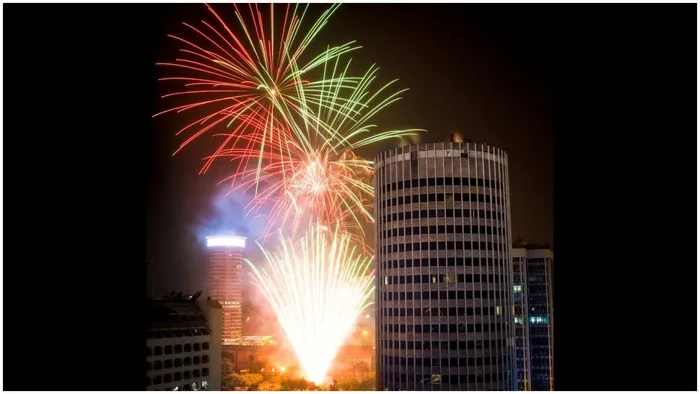
Kenya’s government has introduced restrictions on the use of fireworks during this year’s Diwali celebrations, limiting displays to between 7pm and 11pm as authorities move to enhance public safety and prevent accidents.
The directive, issued by Mining, Blue Economy and Maritime Affairs Cabinet Secretary Hassan Joho, seeks to ensure that the celebrations are conducted in a controlled manner while minimising risks associated with the handling and use of fireworks.
The restrictions are part of measures aimed at protecting members of the public, property and the environment during the Hindu festival, which is traditionally marked by lighting lamps, fireworks and other festivities.
Joho directed organisers planning fireworks displays to obtain permits from the State Department for Mining offices at Madini House in Nairobi or their respective county mining offices.
The ministry has also restricted fireworks displays to authorised venues, including clubs, hotels, temples, sports grounds and school compounds.
Other locations can only be used after receiving approval from an Inspector of Explosives.
The regulations further limit fireworks display shells to a maximum of four-inch calibre in urban and built-up areas, unless an exemption is granted by an Inspector of Explosives.
The Cabinet Secretary warned that only qualified, experienced and sober individuals would be allowed to handle aerial shells and other aerial display fireworks.
“Only qualified, experienced and sober persons shall be allowed to fire aerial shells and other aerial display fireworks,” Joho stated.
Fireworks dealers have also been cautioned against selling the products to children below the age of 13, with the ministry warning that the practice constitutes an offence under the Explosives Act, Cap 115 of the Laws of Kenya.
Additionally, dealers have been directed to sell aerial display fireworks, including shells, rockets, Roman candles and cakes, only to individuals holding valid permits signed by an Inspector of Explosives.
The government says the measures are intended to strengthen safety and ensure that fireworks displays do not expose members of the public to unnecessary risks.
This year’s Diwali and Hindu New Year celebrations will run from Friday, November 6, to Sunday, November 8, 2026.
Diwali, popularly known as the Festival of Lights, is one of the most important celebrations in the Hindu religion. It symbolises the triumph of light over darkness and good over evil.
The festival is traditionally marked by lighting oil lamps known as diyas, decorating homes, exchanging gifts, prayers, family gatherings and fireworks displays.
In Kenya, Diwali is recognised under the Public Holidays Act as a holiday for members of the Hindu faith.
In 2024, President William Ruto pledged to make Diwali a national holiday, with November 1 proposed as the annual celebration date. However, the proposal had not been formally implemented as of November 2026.
With the three-day festivities approaching, the government has urged organisers, fireworks dealers and members of the Hindu community to observe the new guidelines and ensure celebrations are conducted safely and without inconveniencing other Kenyans.
 George Mwangi