
 By EldoretLeo
The National Transport and Safety Authority (NTSA) has issued a new directive requiring owners of public service vehicles (PSVs) and commercial vehicles to comply with fresh onboarding requirements under its Intelligent Road Safety Management System (IRSMS).
The directive, announced on Friday, November 6, 2026, targets PSVs with seven or more seats and commercial vehicles with a tare weight of at least 3,048 kilograms.
Follow our WHATSAPP CHANNEL for daily updates.
In a public notice, NTSA said the affected vehicle owners must complete the onboarding process to strengthen road safety monitoring and improve compliance with traffic regulations.
“Owners of Public Service Vehicles (7 seater and above) and commercial vehicles (with a tare weight of 3,048 kg and above),” the authority stated while outlining the categories of vehicles covered by the directive.
NTSA explained that the initiative is intended to facilitate real-time monitoring of vehicles and ensure they meet the required road safety standards.
“The onboarding process on the Intelligent Road Safety Management System (IRSMS) requires vehicle owners to link their vehicles to an approved speed limiter vendor to ensure real-time compliance,” the notice added.
The authority’s latest directive comes as it intensifies nationwide road safety enforcement, particularly targeting vehicles operating with defective speed limiters and other traffic violations.
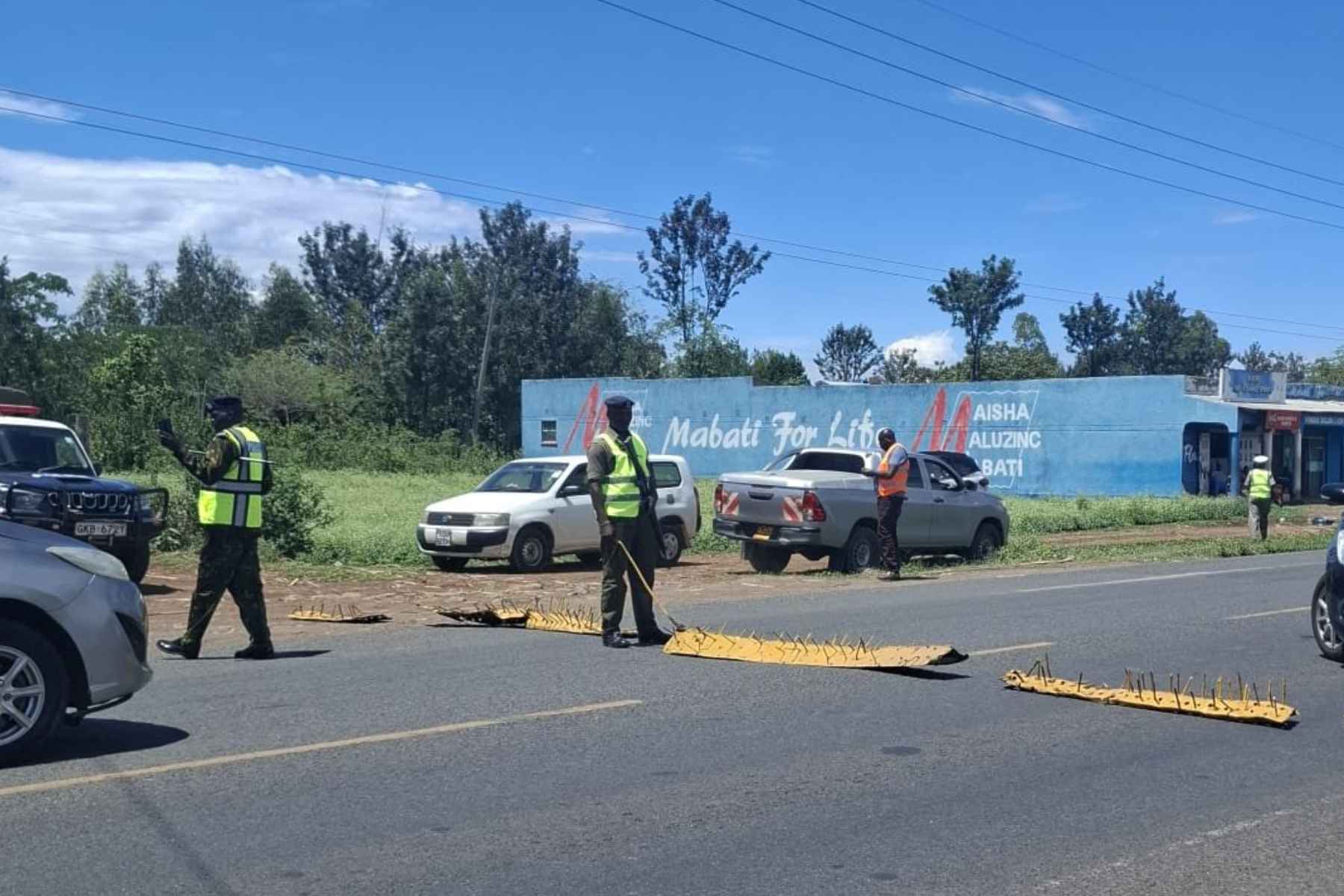
Separately, NTSA has arrested 24 drivers during a night compliance operation along the Kakamega-Webuye Highway.
In an update issued on Friday, the authority said the motorists were arrested for various traffic offences, including operating vehicles fitted with defective speed limiters.
“24 drivers were nabbed for various traffic offenses, including operating vehicles with defective speed limiters,” NTSA stated.
The authority emphasised that speed limiters play an important role in preventing road crashes by controlling vehicle speeds and protecting passengers, drivers and other road users.
“Speed limiters are critical for road safety. A functional limiter protects the driver, passengers and other road users,” the authority said.
NTSA consequently reminded owners of public service and commercial vehicles to ensure their speed limiters remain functional at all times.
The latest arrests follow another enforcement operation conducted on Wednesday along the Kakamega-Mumias Road, where 21 drivers were arrested during a joint inter-agency night inspection.
“21 drivers arrested following a joint interagency night compliance check along the Kakamega-Mumias Road,” NTSA announced.
During the operation, officers identified several violations, including driving under the influence of alcohol, operating vehicles without valid driving licences and using expired PSV badges.
Other vehicles were found with cracked windscreens, worn-out tyres, expired inspection certificates and invalid insurance documents.
NTSA also reported cases involving vehicles displaying unauthorised registration plates, raising further concerns about compliance with road transport regulations.
The enforcement operations form part of NTSA’s wider road safety campaign ahead of the December holiday travel season.
The campaign, dubbed Msimu Bila Ajali, Usalama Barabarani, combines public awareness initiatives with compliance inspections targeting motorists and public transport operators along major highways.
Through the initiative, the authority aims to educate drivers and passengers while identifying vehicles and motorists that pose safety risks on Kenyan roads.
NTSA has indicated that the operations will focus on addressing reckless driving, speeding, defective vehicle safety equipment and other violations that contribute to road accidents.
The new IRSMS onboarding directive, together with the intensified highway inspections, signals increased scrutiny of PSV and commercial vehicle operators as the country prepares for increased road traffic during the festive season.
Vehicle owners are therefore expected to ensure their vehicles meet the prescribed safety requirements to avoid enforcement action and help protect all road users.
 Baraka Simba
 Eldoret Leo